Plaster Repair
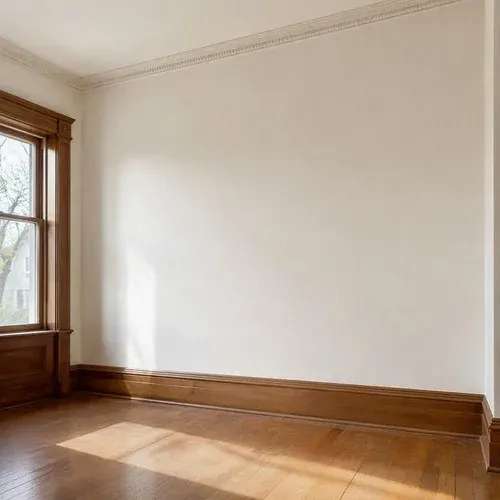
Lath and plaster in century homes fails differently than drywall. We repair it as plaster, not by patching it like board.
Plaster Repair in Niagara-on-the-Lake ›
Plaster and drywall work in Niagara-on-the-Lake. Heritage homes, Old Town properties, crown moulding restoration. 20+ years. Free assessment.
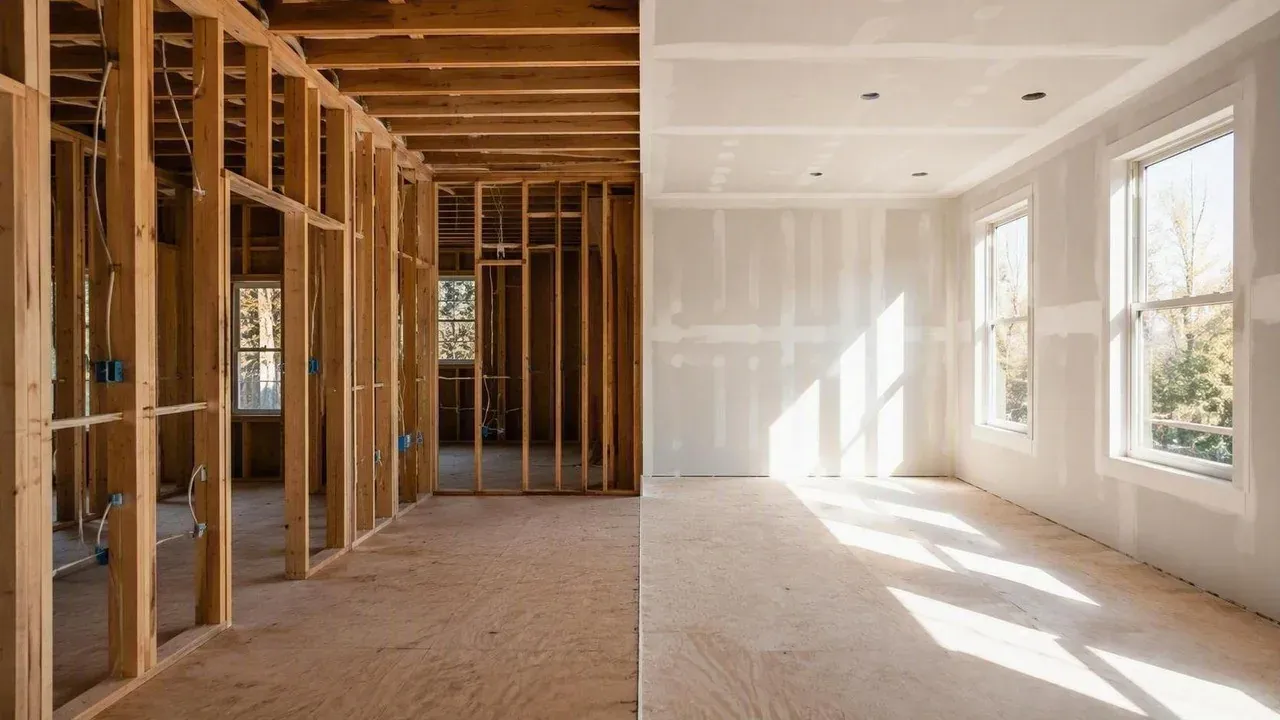
These four come up most often given the housing stock around Old Town, Virgil, Queenston and the rest of Niagara-on-the-Lake.
Lath and plaster in century homes fails differently than drywall. We repair it as plaster, not by patching it like board.
Plaster Repair in Niagara-on-the-Lake ›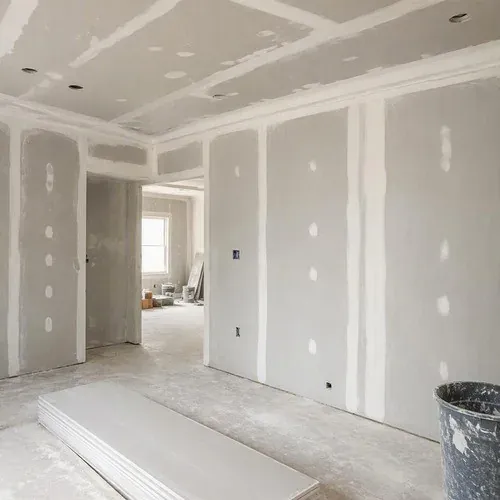
Original cornices and decorative plaster run, cast and matched to the existing profile rather than boxed over.
Plaster Crown Moulding Repair in Niagara-on-the-Lake ›
Doorknob holes, cracked seams, nail pops and impact damage patched and blended so you cannot find the repair afterward.
Drywall Repair in Niagara-on-the-Lake ›
Steel stud partitions, retail and office fit-outs, fire-rated and acoustic assemblies, worked around your trades and your schedule.
Commercial Drywall Installation in Niagara-on-the-Lake ›St Catharines Elite Drywall carries out plaster, heritage and drywall work throughout Niagara-on-the-Lake, serving homeowners, heritage property owners, wineries, inns and commercial clients. Lath and plaster repair, plaster crown moulding and cornice restoration, drywall repair and installation, popcorn ceiling removal and commercial fit-outs. More than twenty years on Niagara's older housing stock, fully insured with $2M liability and full WSIB coverage.
Niagara-on-the-Lake is a municipality of roughly 19,000, and Old Town holds one of the best preserved concentrations of nineteenth century architecture in Ontario. Much of the area around Queen, Johnson, Prideaux and Simcoe Streets sits within a heritage conservation district, and a significant number of properties are designated under the Ontario Heritage Act. The walls in those buildings are plaster over wood lath and the mouldings were run by hand.
Not everything here is heritage, and it would be a strange page that pretended otherwise. Virgil along Niagara Stone Road and St. Davids beneath the escarpment have conventional modern housing with ordinary drywall needs, and the farmhouses along the Line roads and concessions are a third category again. The wineries, inns and restaurants of the Niagara River appellation add a steady stream of commercial interior work, almost always scheduled outside the visitor season.
Old Town holds one of the best preserved concentrations of nineteenth century architecture anywhere in Ontario. People come from around the world to walk down Queen Street, sit in Simcoe Park and look at it.
If you own one of those buildings, you already know that working on it is not the same as renovating a house built in 1995.
The walls are plaster over lath. The mouldings were run by hand. The proportions, the surface character and the detail are the reason the property is worth what it is worth, and all of it is easy to destroy quickly with the wrong approach.
The same is true of the streets running back from the river toward Fort George, and of the older properties out along the Niagara Parkway and up at Queenston.
We have worked on older properties across Niagara for over twenty years, and we treat them as what they are rather than as awkward drywall jobs.
Worth understanding properly if you own one of these houses, because it explains most of what goes wrong.
Plaster is applied wet over narrow wooden strips called lath. It is pushed on hard enough to squeeze through the gaps between the strips, and behind the lath that squeezed-out material spreads and hardens into small hooks. Those hooks are called keys.
The keys are the only thing holding the plaster to the building. Over a century and a half of movement, vibration and moisture, they break.
When enough of them fail, the plaster separates from the lath and is held up by nothing but itself. The surface can look completely intact while this is happening, which is why an apparently sound plaster ceiling can come down as a single heavy slab.
Signs worth acting on: a section that sounds hollow when tapped, visible sag, a crack that has widened recently, or fine dust appearing on furniture below.
Here is the part most contractors will not say. Replacing failing plaster with drywall is often cheaper and faster, and in a designated Old Town property it is frequently the wrong answer. Drywall does not carry the same surface character, it changes the wall plane and its relationship to original trim, and it removes original fabric permanently.
Sometimes replacement genuinely is the right call, and we will say so. But it should be a decision, not a default. See plaster repair.
Genuine specialist work, and there is very little competition for it in this region.
Original cornices are usually the defining feature of a period room. A damaged run reads as age, which is forgivable. A clumsy repair reads as a decision somebody made, which is not.
Where an intact section of the run survives, the profile can be taken from it and new sections formed to match. Repeating decorative elements can be cast from a surviving example. Detail lost under eighty years of repainting can often be recovered, and the results can be striking.
If a section has broken away, do not throw it out. It is the most useful thing we can work from. See plaster crown moulding repairs.
A significant number of Old Town properties are designated under the Ontario Heritage Act, and much of the area around Queen, Johnson, Prideaux and Simcoe Streets sits within a heritage conservation district.
Where a property is designated, alterations affecting its heritage attributes may require municipal approval before work begins. Depending on how the designation is written, interior plaster can fall within scope.
Our approach is to work within those constraints rather than around them. Retain sound original material, match the surface character and profile of what is there, use compatible methods, and make sure any required approval is in hand before we start rather than after.
If you are unsure of your property's status, the municipal heritage planner can confirm it. That call is worth making before any contractor begins quoting.
Not everything in Niagara-on-the-Lake is a heritage property, and it would be a strange page that implied otherwise.
Virgil, out along Niagara Stone Road, and St. Davids beneath the escarpment both have conventional modern housing with drywall throughout, unfinished basements and the same needs as anywhere else in the region. Basement finishing, additions, repair work, popcorn ceiling removal and ordinary installation jobs.
The farmhouses scattered along the Line roads and the concessions are a third category again, frequently older, frequently plaster, and frequently added to over several generations.
We do all of that here too, at normal prices, without treating a 2004 bungalow as a restoration project.
The hospitality and agri-tourism sector here generates a steady stream of commercial interior work.
Tasting rooms and winery retail spaces across the Niagara River appellation. Inns and bed and breakfasts, many of them in converted heritage buildings where the commercial and the heritage considerations overlap. Restaurant and event spaces, plus the properties that fill up around the Shaw Festival season.
This work almost always has to happen outside the visitor season, between the end of the Shaw run and the spring, and it usually has a fixed date attached to it. We carry $2M liability and full WSIB coverage, and our crews hold WHMIS and Working at Heights certification. See commercial drywall installation.
Heritage and plaster work needs to be seen. Photographs help, and they cannot tell us whether a ceiling is still keyed or how much of a profile survives.
Tell us the age of the property, whether it is designated, and what you are seeing.
We cover Old Town, Virgil, Queenston, St. Davids, Glendale and everywhere else in Niagara-on-the-Lake. Quotes are free and there is no travel premium anywhere in the Niagara Region.
Yes. We work within the designation requirements, and where municipal approval is needed we expect that to be in place before work starts.
It depends on how much has failed and whether the property is designated. Walls are often in far better condition than ceilings in the same house. We will give you an honest read on both rather than defaulting to whichever is easier for us.
Usually yes, provided an intact section of the same profile survives somewhere. That surviving piece is what any new work is taken from, so please do not remove it before we have seen it.
Yes, and we are used to working around a visitor season and a fixed opening date.
Yes, and the work there is generally conventional modern drywall rather than heritage restoration.
Tell us what you are dealing with and roughly where in Niagara-on-the-Lake you are. For repairs, a photo is usually enough for a number without a site visit.