Drywall Repair
Doorknob holes, cracked seams, nail pops and impact damage patched and blended so you cannot find the repair afterward.
Drywall Repair ›
St Catharines Elite Drywall repairs water damaged drywall, ceilings and walls for homeowners, landlords and property managers throughout the Niagara Region. Burst and frozen pipes, roof leaks and ice damming, basement flooding and seepage, bathroom and shower moisture, and appliance failures. We cover St. Catharines, Welland, Port Colborne, Niagara Falls and the surrounding towns, and water damage moves to the front of our schedule.
Saturated gypsum board does not recover. The mineral core loses its strength and the paper facing delaminates, so painting over a stain traps moisture in the assembly and invites mould. We take moisture readings, cut back to sound material, remove wet insulation, let the cavity dry properly before closing it, then reboard, tape, finish and match the surrounding texture.
We provide written scope and itemised documentation for insurance adjusters, photograph concealed conditions before closing a wall, and work alongside restoration companies on larger losses. More than twenty years, $2M liability, full WSIB coverage.
Before you call anyone, including us, do these things.
Shut off the water at the valve or the main. If it is a roof leak you cannot reach, contain what you can and move on to the next step.
Furniture, electronics, rugs, anything on the floor below the damage.
A ceiling holding water can release a large volume all at once, along with the section of board. Stay out from under it and let someone assess it.
Wide shots, close shots, the source if you can see it, and the damage to contents. Your insurer will want these, and photos taken after cleanup are worth far less.
if water is anywhere near light fixtures or outlets.
Then get in touch. Water damage gets worse every day it sits, so this is the one drywall job we treat as urgent.
This is the single most common mistake, and it is understandable. The stain dries, it looks fine, and painting over it seems reasonable.
Here is what is actually happening.
Gypsum board is a compressed mineral core wrapped in paper. Once it has been saturated, the core loses structural integrity and the paper facing delaminates from it. The board may look dry and still be soft, crumbling, or holding no strength at all.
Painting over a stain traps residual moisture inside the wall assembly. The stain usually bleeds back through within weeks. Worse, the cavity behind stays damp, which is exactly the condition mould needs.
Some water damage genuinely does dry out and need nothing more than a stain-blocking primer. Some needs the board cut out. The difference is judged with a moisture meter and by testing the board's firmness, not by looking at it, and that is the first thing we do on site.
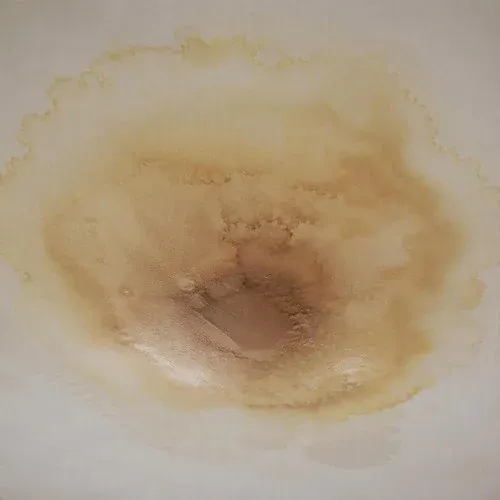
Most common in winter, especially in older homes with plumbing running through exterior walls or unheated crawl spaces.
Niagara's freeze-thaw cycles build ice at the eaves, water backs up under the shingles, and it appears on a ceiling well away from where it entered.
Common across the older housing stock in Welland, Port Colborne and the established St. Catharines neighbourhoods, where foundations and drainage predate modern standards.
Slow failures behind tile, around tubs and at shower bases. These often go unnoticed the longest, which is why they cause the most damage.
Supply hoses, dishwasher seals, fridge water lines. Fast, high volume, and usually on a finished floor.
This is the part almost nobody explains, and it is what our customers most often need help with.
We provide a written scope and an itemised quote describing exactly what is being removed, what is being replaced and why. Adjusters work from documents, and a vague quote slows a claim down or gets it reduced.
Once a wall is opened, what is behind it is evidence. We photograph it before we close anything up, because that evidence disappears permanently otherwise.
On larger losses a restoration contractor usually handles extraction and drying, and we come in behind them for the rebuild. We work alongside them regularly and are comfortable slotting into that sequence.
Sudden and accidental damage, such as a burst pipe, is usually covered. Gradual seepage, long-term leaks and maintenance issues frequently are not. Sewer backup and overland flooding often require separate endorsements.
To be clear, we are drywall contractors and not insurance advisors. Your policy and your adjuster decide what is covered. What we can do is make sure the documentation supporting your claim is thorough.
An honest scope boundary, because this is where a lot of contractors go quiet.
Surface staining and light discolouration on drywall paper is one thing. We remove the affected board, treat the cavity and rebuild.
Established mould growth inside a wall assembly is something else. Above a certain area, and depending on the type and the situation, remediation is a specialised trade with its own containment and disposal requirements. If we open a wall and find that, we stop and tell you rather than boarding over it.
How the call gets made: the extent of visible growth, how long the moisture was present, what the moisture readings show in the surrounding structure, and whether anyone in the home has respiratory sensitivity.
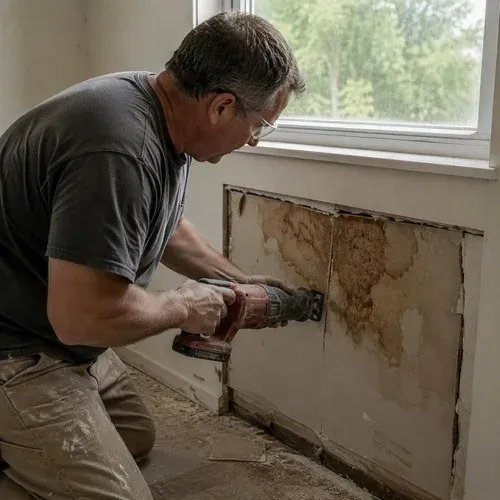
Moisture meter readings across the affected area and beyond it, because water travels further than the stain suggests.
Cutting back to sound board, usually further than the visible damage. Insulation in the cavity is removed if it is wet, since wet insulation does not dry in place and does not recover its value.
This is the step that gets skipped, and skipping it is the single most common cause of repeat failure. Closing a wall over a damp cavity guarantees you will be doing this again. Drying takes days, not hours, and we will not shortcut it to finish faster.
Moisture-resistant board where the location warrants it, then taped and finished to match the surrounding surface.
If the damage is on a stipple or textured ceiling, the repair gets matched. See textured ceiling repairs for what a realistic match looks like.
If there is active water, or a ceiling that is bulging or sagging, do not wait for a form response.
For damage that has already been stabilised, you can send photos and details here and we will come back to you quickly.
A few stages from recent work. Every job ends with a raking-light inspection before we call it finished.
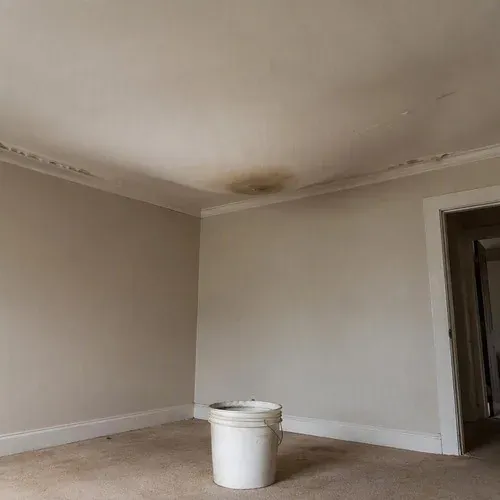
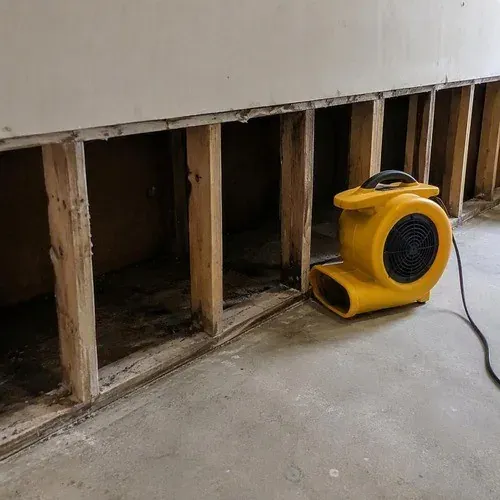
Water damage moves to the front of our schedule. From St. Catharines we can usually get someone out to assess quickly across the region. Call rather than emailing for anything active, since active water needs a voice on the line.
That depends on your policy and the cause. Sudden failures like a burst pipe are commonly covered. Gradual leaks and maintenance-related damage frequently are not. Your adjuster decides, and we will provide the documentation that supports the claim.
Sometimes, if the board is genuinely sound and fully dry, using a proper stain-blocking primer. Often not. We test rather than guess, because painting over compromised board buys you a few weeks.
Moisture readings, how long water was present, any smell, and ultimately by opening a small area to look. We would rather cut a small inspection opening than assume.
Usually several days, sometimes longer, depending on how much water there was and the conditions in the room. We confirm with meter readings rather than by calendar.
Yes, routinely. On larger losses they handle extraction and drying, we handle the drywall rebuild behind them.
Doorknob holes, cracked seams, nail pops and impact damage patched and blended so you cannot find the repair afterward.
Drywall Repair ›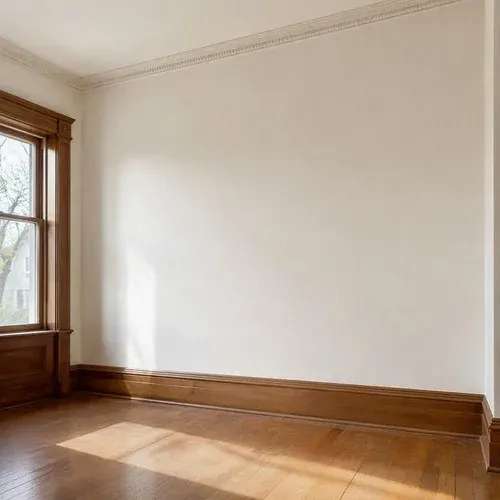
Lath and plaster in century homes fails differently than drywall. We repair it as plaster, not by patching it like board.
Plaster Repair ›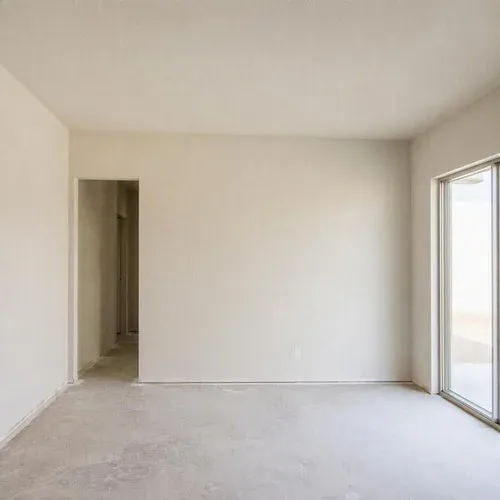
Knockdown, orange peel, swirl and stipple matched across a patch so the repaired area reads as original.
Textured Ceiling & Wall Repairs ›We cover every town in Niagara from our shop on Vine Street in St. Catharines. These are the areas where this service comes up most.
Tell us what you are dealing with and roughly where in Niagara you are. For repairs, a photo is usually enough for a number without a site visit.