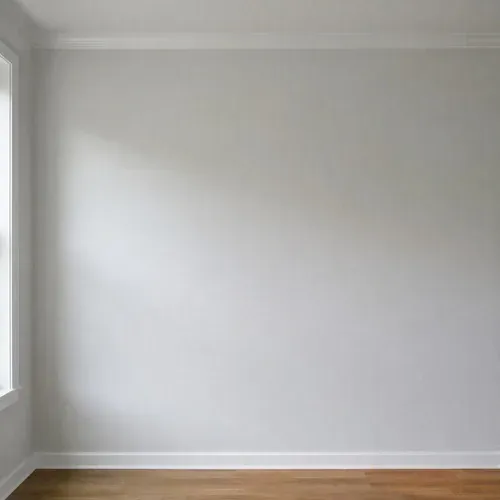
Drywall Repair
Doorknob holes, cracked seams, nail pops and impact damage patched and blended so you cannot find the repair afterward.
Drywall Repair in Welland ›
Drywall and plaster repair in Welland. Cracks, water damage, ceilings and full installation. Local specialist, 20+ years, insured. Free quote.
These four come up most often given the housing stock around Dain City, Cooks Mills, Crowland and the rest of Welland.
Doorknob holes, cracked seams, nail pops and impact damage patched and blended so you cannot find the repair afterward.
Drywall Repair in Welland ›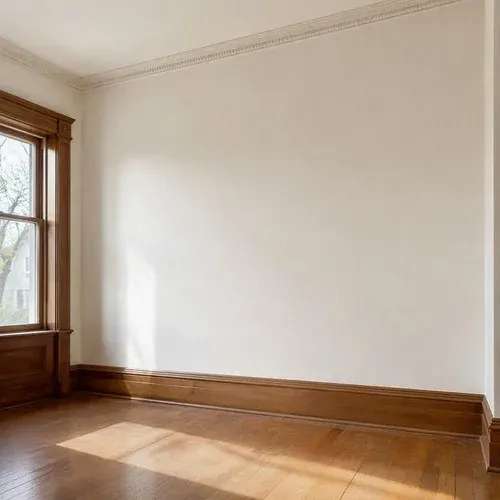
Lath and plaster in century homes fails differently than drywall. We repair it as plaster, not by patching it like board.
Plaster Repair in Welland ›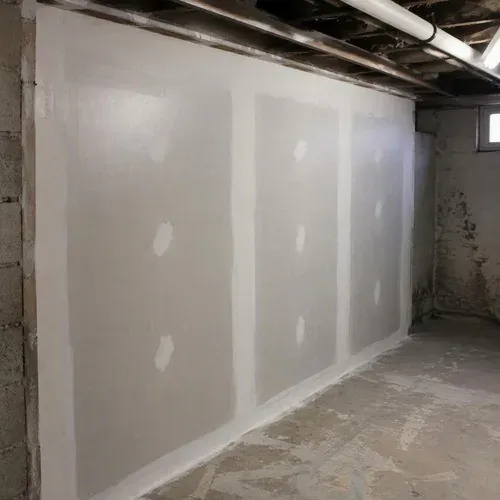
Stained ceilings, sagging board and flooded basements. Wet material out, cavity dried, new board in and finished.
Water Damage Drywall Repair in Welland ›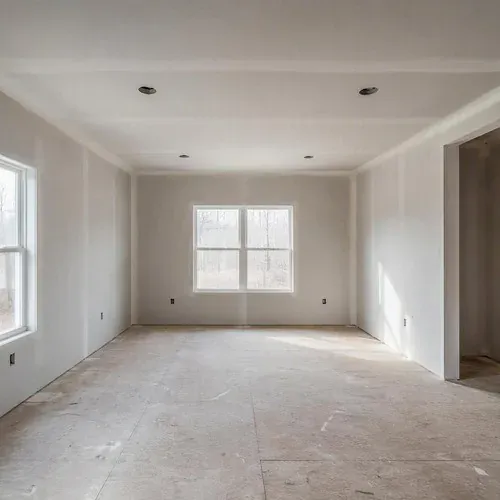
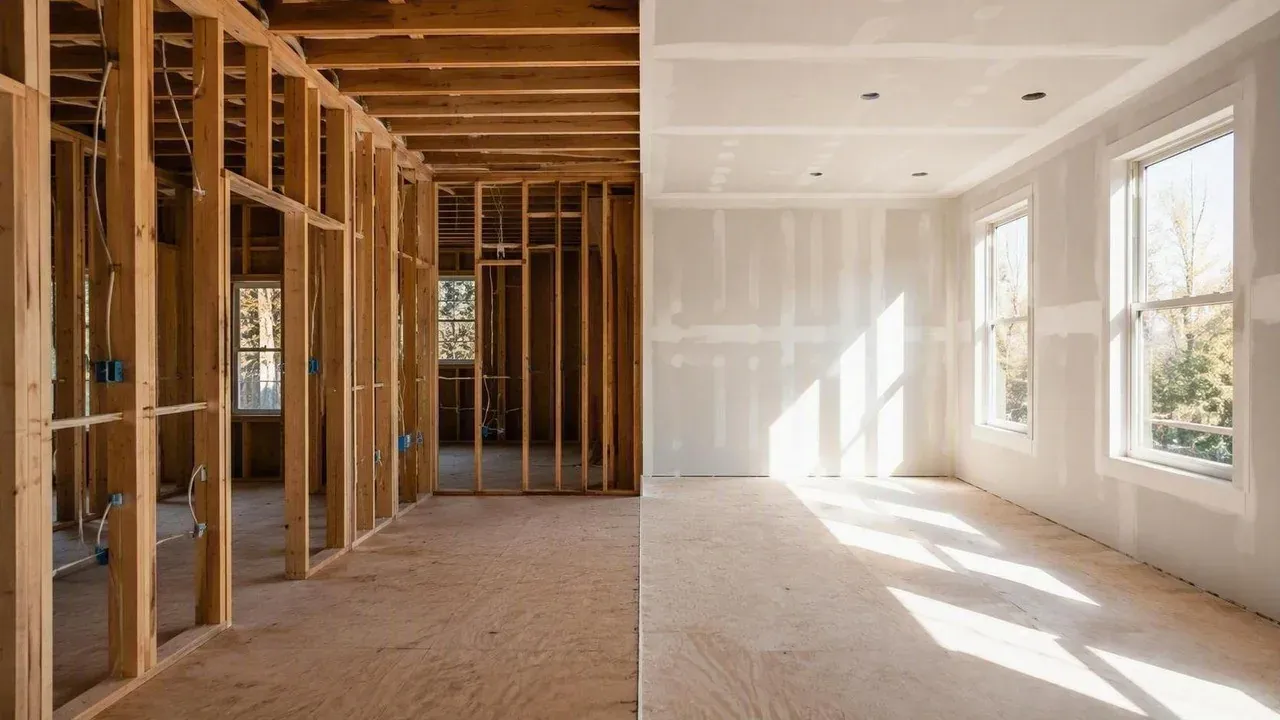
New builds, basement finishing, additions and garage conversions. Board hung, taped and finished to Level 4 or Level 5.
Residential Drywall Installation in Welland ›St Catharines Elite Drywall repairs and installs drywall and plaster across Welland, working for homeowners, landlords and contractors. Drywall repair and recurring crack repair, lath and plaster restoration, water damaged wall and ceiling repair, basement finishing, popcorn ceiling removal and textured ceiling matching. More than twenty years on Niagara's older housing stock, over 1,500 completed jobs, fully insured and WSIB covered.
Welland is a city of roughly 55,000 that grew around the canal and the manufacturing that came with it. Streets of worker housing went up through Crowland and around the old plants at a time when interior walls were plaster over wood lath, and most of those ceilings were textured during a later renovation. The result is a city where a large share of drywall calls turn out to be plaster calls.
Sitting low and flat between the canal and the Welland River, Welland also sees more than its share of basement moisture. Older foundations, drainage that predates modern standards and a century of seasonal movement combine to produce recurring settlement cracks, failing plaster keys and water damaged basement walls. Those are the jobs we do most here.
Welland grew around the canal and the manufacturing that came with it, and the housing was built to match. Streets of worker housing went up through Crowland and around the old plants at a time when walls were plaster over lath, and most of those ceilings got textured during a later renovation.
That history decides what the work actually looks like here. In the newer parts of Niagara we are mostly boarding basements and finishing additions. In Welland, more often than not, we are dealing with something that was built before drywall existed.
It is a different job, and it needs a contractor who treats it differently.
Decades of movement concentrate at the weak points: above door frames, at window corners, and along the line where ceilings meet walls. Filling these with premixed compound is why they keep coming back.
A common pattern in this city. A ceiling gets damaged, gets patched imperfectly, and then gets sprayed with texture to hide the patch. Twenty years later the texture itself needs attention and what is underneath is a surprise.
Older foundations, older drainage and older plumbing runs combine predictably. A low, flat city sitting between the canal and the Welland River does not help, and basement seepage and slow leaks behind walls are among our most frequent calls here.
Almost every renovation in an older Welland home ends up at this problem. Plaster over lath is thicker than a sheet of drywall, so a straight join between the two leaves a visible step that paint will not hide.
around Main Street and Merritt Island holds the oldest concentration of housing in the Rose City, much of it with original plaster still in place.
sits south of the main city with its own character and its own mix of housing eras.
covers most of the residential city, from the streets off Niagara Street through to the Woodlawn Road area, with a broad span of construction dates.
is a different proposition entirely. Conventional drywall throughout, unfinished basements, and straightforward finishing work.
We mention the split deliberately, because a quote for a 1940s house near the canal and a quote for a subdivision home on the outskirts should not look the same. If they do, somebody has not looked properly.
Worth its own section, because it is where we differ most from a general renovation contractor.
Plaster does not fail the way drywall does. It is applied wet over narrow wooden strips called lath, and it grips by squeezing through the gaps and hardening into small hooks behind them. Those hooks are called keys, and they are the only thing holding a plaster ceiling in place.
When enough keys break, the plaster separates from the lath. The surface can still look completely intact while this is happening, which is why a plaster ceiling can appear fine and then come down as a single heavy slab.
Signs that matter: a section that sounds hollow when tapped, visible sag, a crack that has widened recently, or fine debris appearing on furniture below.
The repair-or-replace decision comes up constantly in this city. Sometimes original plaster is worth saving. Sometimes a badly failed ceiling is cheaper and better replaced with drywall. We will tell you which situation you are in rather than defaulting to whichever suits us. See plaster repair.
Older basements in this part of the region see moisture, and pretending otherwise leads to finished rooms that fail within a few years.
Where moisture is a known factor, moisture-resistant board on below-grade walls stops being an upgrade and starts being the minimum. Vapour barrier placement and sealing matter more here than in a newer house, because the consequences of getting it wrong show up faster.
If your basement has a history of seepage, tell us at the quote rather than after. It changes what we recommend, and a finished basement built over an unresolved water problem is money spent twice.
For existing damage, see water damage drywall repair, including how we handle documentation for insurance claims.
The Niagara College campus off Woodlawn Road supports a rental market that produces the same recurring work we see in Thorold and St. Catharines, at a smaller scale.
Tenant turnover damage, patching between tenancies, and units that need to be ready on a fixed date. Landlords here want speed and predictable pricing more than anything else.
We can price multiple units together and work around tenancy calendars. Several small repairs in one visit costs considerably less than separate call-outs.
Tell us the approximate age of the house and what you are seeing. For plaster work we will usually want to come out and look, since photographs cannot tell us whether a ceiling is still keyed.
We cover Dain City, Cooks Mills, Crowland, Rose City, Niagara College area and everywhere else in Welland. Quotes are free and there is no travel premium anywhere in the Niagara Region.
It matters a great deal for how the repair should be done. Push a pin into an inconspicuous spot. Drywall takes it easily, plaster resists and may chip. If your Welland home predates 1950, plaster is likely.
Because the crack is a symptom rather than damage. Something is still moving, or the original joint was never properly formed. Filling it again buys about a year. The joint usually needs opening up and rebuilding properly.
Yes, and the first step is always establishing whether the source has been resolved. We will not close a wall over a damp cavity, because you will be calling us again.
Yes, and it needs doing properly. The thickness difference means the transition has to be furred out or feathered wide. Where the old wall is uneven across its whole surface, skim coating the full wall gives a far better result than a good join between two mismatched planes.
Yes, the whole city and the surrounding area.
Tell us what you are dealing with and roughly where in Welland you are. For repairs, a photo is usually enough for a number without a site visit.